Transforming Demolition Waste into Valuable Materials

Demolition projects generate millions of tons of waste every year. Traditionally, much of this material ends up in landfills, contributing to environmental problems and wasting resources. But what if demolition waste could be turned into valuable materials instead? This approach not only reduces landfill use but also supports sustainable construction and resource conservation.
This post explores how demolition waste can be transformed into useful products, the methods involved, and real-world examples of successful reuse. Whether you are a construction professional, environmental advocate, or simply curious about sustainable practices, this guide offers practical insights into turning waste into worth.
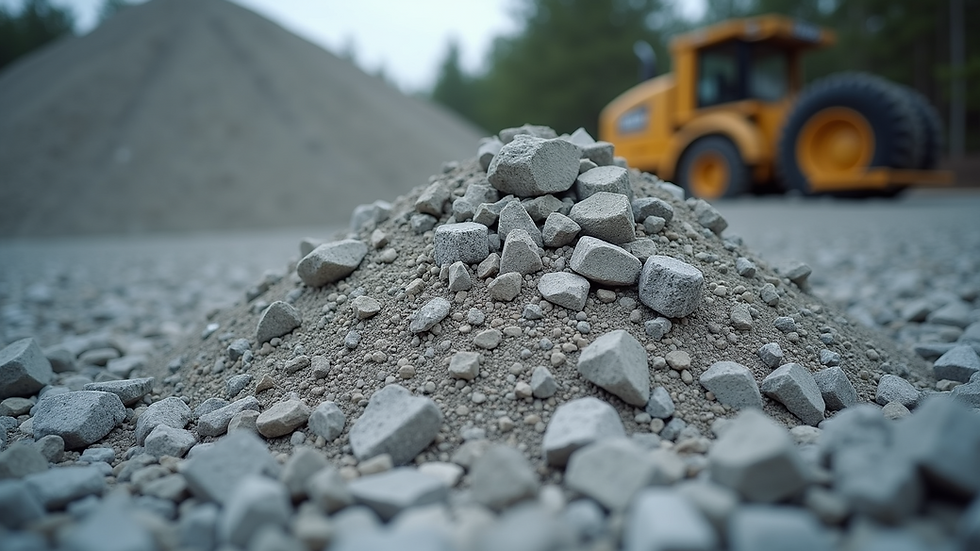
Close-up view of crushed concrete rubble ready for recycling into construction materials
Why Demolition Waste Matters
Demolition waste includes concrete, bricks, wood, metals, glass, and other materials removed during building teardown or renovation. Globally, construction and demolition activities produce over 1.3 billion tons of waste annually, making it one of the largest waste streams.
This waste poses several challenges:
Landfill Overload: Demolition debris occupies significant landfill space, which is costly and environmentally damaging.
Resource Loss: Valuable materials like metals and concrete are discarded instead of reused.
Environmental Impact: Waste disposal contributes to greenhouse gas emissions and pollution.
Transforming demolition waste into valuable materials addresses these issues by reducing landfill use, conserving natural resources, and lowering carbon footprints.
Common Types of Demolition Waste and Their Potential Uses
Different materials from demolition have unique recycling and reuse opportunities. Understanding these helps identify how to transform waste effectively.
Concrete and Masonry
Concrete makes up the largest portion of demolition waste. It can be crushed and reused as:
Aggregate for new concrete
Road base and sub-base materials
Landscaping stones
Recycled concrete aggregate (RCA) often performs similarly to natural aggregate in many applications, making it a practical substitute.
Wood
Wood waste includes framing, flooring, and cabinetry. It can be:
Reclaimed for reuse in construction or furniture
Processed into wood chips for mulch or biomass fuel
Converted into engineered wood products
Proper sorting is essential to separate treated wood from untreated to avoid contamination.
Metals
Metals like steel, copper, and aluminum are highly recyclable. They can be:
Melted down and reused in manufacturing
Sold as scrap to recycling centers
Metal recycling saves energy and reduces the need for mining new ores.
Glass
Glass from windows and facades can be:
Crushed and used in road construction or concrete
Recycled into new glass products
Sorting glass by type and color improves recycling quality.
Plastics and Gypsum
Plastics and gypsum drywall require specialized recycling processes but can be transformed into:
Plastic pellets for manufacturing
Soil amendments or new drywall products
These materials often need careful handling to avoid contamination.
Methods to Transform Demolition Waste
Several techniques help convert demolition waste into valuable materials. These methods vary depending on the material type and intended reuse.
Sorting and Separation
Effective sorting is the first step. On-site or off-site separation divides materials into categories such as metals, concrete, wood, and plastics. This improves recycling efficiency and product quality.
Crushing and Grinding
Concrete and masonry are crushed into smaller pieces or powder. This process produces recycled aggregates suitable for construction uses.
Cleaning and Processing
Wood and metals are cleaned to remove contaminants like nails, paint, or adhesives. Metals are often shredded before melting.
Reprocessing and Manufacturing
Recycled materials are then used to manufacture new products. For example, crushed concrete becomes aggregate, and recycled metals are melted into new forms.
Innovative Technologies
New technologies enhance waste transformation:
Robotic sorting systems improve accuracy and speed.
Chemical recycling breaks down plastics into raw materials.
Thermal treatment converts wood waste into biochar or energy.
Benefits of Using Recycled Demolition Materials
Reusing demolition waste offers multiple advantages:
Cost Savings: Reduces disposal fees and material purchase costs.
Environmental Protection: Lowers landfill use and conserves natural resources.
Energy Efficiency: Recycling metals and concrete uses less energy than producing new materials.
Regulatory Compliance: Many regions encourage or require recycling to meet environmental standards.
Market Demand: Growing interest in green building materials increases value.
Real-World Examples of Demolition Waste Reuse
Several projects demonstrate how demolition waste can become valuable resources.
The High Line, New York City
During the construction of the High Line park, concrete from demolished structures was crushed and reused as fill material. This reduced waste hauling and supported sustainable urban development.
Sydney Olympic Park, Australia
Sydney Olympic Park recycled over 90% of demolition waste from site preparation. Crushed concrete and bricks were used for road bases and landscaping, showcasing large-scale reuse.
Urban Wood Reuse Programs
Cities like Portland and Seattle run programs to reclaim wood from demolition for furniture, flooring, and art projects. This preserves wood value and reduces landfill waste.
How to Start Transforming Demolition Waste in Your Project
If you want to incorporate demolition waste reuse, consider these steps:
Plan Ahead: Include waste management in project design and budgeting.
Partner with Recycling Facilities: Identify local recyclers and processors.
Train Workers: Ensure proper sorting and handling on-site.
Use Quality Control: Test recycled materials to meet standards.
Promote Reuse: Highlight environmental benefits to clients and stakeholders.
Challenges and Solutions
Transforming demolition waste is not without challenges:
Contamination: Mixed or dirty waste lowers recycling quality. Solution: Improve sorting and cleaning.
Regulatory Barriers: Some areas restrict recycled material use. Solution: Work with authorities to meet standards.
Market Fluctuations: Prices for recycled materials can vary. Solution: Diversify reuse options and build long-term partnerships.
Logistics: Transporting waste to recycling centers adds cost. Solution: Use on-site processing when possible.
The Future of Demolition Waste Transformation
Advances in technology and growing environmental awareness will drive more demolition waste reuse. Trends include:
Circular Construction: Designing buildings for easy disassembly and material recovery.
Digital Tracking: Using software to monitor waste streams and recycling rates.
Material Innovation: Developing new products from recycled demolition materials.
Policy Support: Governments offering incentives and regulations to encourage reuse.
Transforming demolition waste into valuable materials is a practical way to reduce environmental impact and support sustainable construction. By understanding the types of waste, methods of processing, and benefits, construction professionals and communities can make smarter choices. The next time a building comes down, think about what valuable materials can come up instead.
Start exploring local recycling options and incorporate waste reuse into your projects. Every ton of demolition waste reused is a step toward a cleaner, more resourceful future.


Comments